Green Initiatives: How E-Waste Recycling Services Are Protecting Our Planet
E-waste poses significant threats to the environment, as disposed electronics frequently harbor hazardous substances. These toxic materials have the potential to taint soil and water sources, leading to broader ecological damage. E-waste recycling initiatives provide a practical answer. They serve the dual purpose of reclaiming precious materials and reducing contamination. Comprehending the operation of these services and their influence on communities is of great importance. Pursuing efficient e-waste management brings forth pressing questions regarding individual duties and shared responsibility. What measures can be pursued from this point onward?
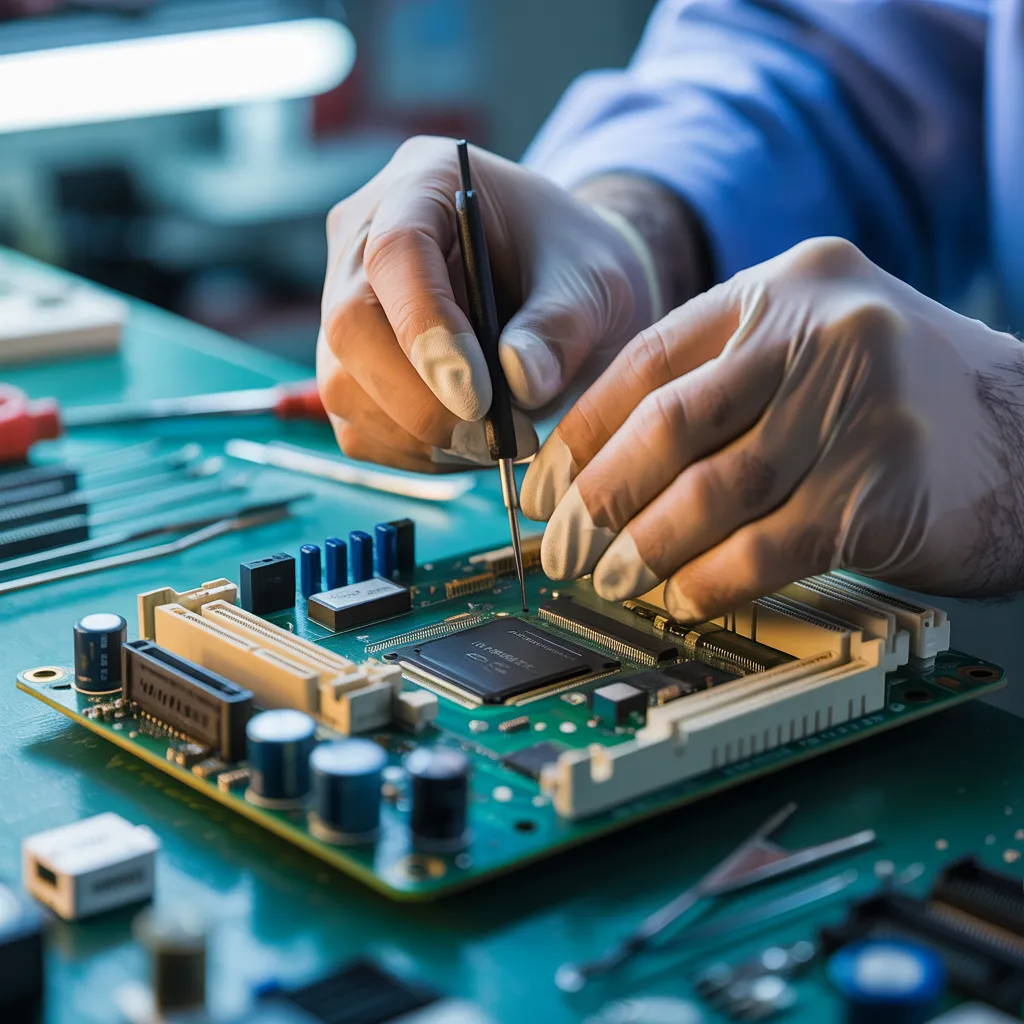
The Reasons E-Waste Is Damaging to the Planet
Although technology enriches our daily lives, electronic waste presents considerable environmental hazards. Discarded electronic devices, frequently composed of hazardous materials such as lead, mercury, and cadmium, may release harmful substances into groundwater and soil, creating hazards for both wildlife and human well-being. The accelerating rate of technological innovation contributes to increased consumer turnover of electronics, exacerbating the accumulation of e-waste.
Landfills, already burdened with waste, struggle to accommodate the growing volumes of discarded gadgets. Burning, an alternative disposal approach, discharges toxic contaminants into the air, worsening overall air quality. In addition, improper recycling practices can lead to the exportation of e-waste to developing countries, where laborers may dismantle devices without adequate safety measures, exposing themselves to dangerous substances. This ongoing cycle of carelessness and inadequate management emphasizes the pressing necessity for responsible recycling initiatives that can lessen the harmful consequences of e-waste on our world.
What Is E-Waste and Its Importance?
E-waste, or electronic waste, encompasses unwanted electronic equipment such as smartphones, computers, and televisions that have reached the end of their useful life. This increasingly prevalent form of waste is important because of its swift buildup, propelled by advances in technology and evolving consumer behaviors. With an increasing number of devices reaching obsolescence, the toll on the environment grows more severe, with harmful substances like lead, mercury, and cadmium threatening both ecosystems and public health.
The significance of tackling e-waste extends beyond minimizing these risks to recognizing the valuable resources it holds. Critical metals and rare earth components can be reclaimed and recycled, decreasing the reliance on mining and protecting natural resources. By understanding e-waste and its implications, individuals and organizations can make informed decisions about disposal and recycling, ultimately contributing to a more sustainable future. Effective handling of e-waste is vital for encouraging a circular economy and advancing environmental responsibility.
How the E-Waste Recycling Process Works
E-waste recycling entails an organized procedure intended to extract beneficial components while minimizing environmental impact. Initially, electronic waste is gathered and delivered to specialized recycling facilities. After reaching the facility, the equipment is meticulously organized to distinguish harmful elements from reusable resources.
Subsequently, employees deconstruct the items, recovering glass, metals, and plastics. This phase is essential, as it enables the extraction of precious metals like silver, gold, and copper, which may be utilized in new electronic products.
Afterward, the separated materials are treated through advanced techniques, such as mechanical shredding and chemical processing, to refine them for recycling.
In the final step, the remaining dangerous materials are managed properly, complying with eco-friendly standards. This multi-step approach not only saves important resources but also minimizes the hazards connected to improper e-waste disposal, securing a more eco-conscious future for electronic device usage.
How E-Waste Recycling Benefits You and Your Community
While many individuals may not realize it, the benefits of e-waste recycling go far beyond individual benefit and actively shape entire communities. By properly recycling electronic waste, individuals contribute to a safer environment, minimizing toxic components that can seep into soil and water. This proactive approach actively safeguards local ecosystems and advances public health.
Additionally, e-waste recycling promotes job creation within communities. Community recycling operations commonly require workers for numerous tasks, from collection to processing, thereby providing employment opportunities for community members. This not only stimulates the local See all economy but also encourages community engagement in sustainable practices.
Moreover, knowledge about e-waste recycling can lead to awareness campaigns, encouraging residents to embrace sustainable practices. By participating in e-waste recycling programs, individuals nurture a culture of sustainability, motivating others to follow suit. Overall, the collective impact of these actions can result in a more robust and eco-friendly community.
How to Select an E-Waste Recycling Service
Picking the most suitable electronic waste recycling provider is crucial for guaranteeing that electronic refuse is processed with responsibility and sustainability. To begin, people should verify the provider's certifications, such as e-Stewards or R2, which demonstrate conformance to established benchmarks for safe recycling practices. It's also important to assess the organization's credibility by reviewing feedback and seeking advice from dependable sources.
Next, openness in the recycling process is crucial. A reliable provider should supply straightforward details about how e-waste is processed and what becomes of the materials. Moreover, evaluating the range of services offered can be beneficial; various firms may supply retrieval services or extend benefits for recycling.
Ultimately, learning about regional rules concerning e-waste disposal can help inform the choice of disposal method. Through focusing on these key aspects, individuals can contribute to responsible e-waste disposal as well as promoting sustainable environmental efforts.
Ways You Can Participate in E-Waste Recycling?
Participating in e-waste recycling often starts at the local level, where recycling centers frequently offer essential services for proper disposal. Moreover, joining community awareness campaigns can amplify efforts to raise awareness about the importance of proper e-waste handling. These initiatives not only promote sustainability but also build a collective sense of accountability for the environment.
Local Recycling Centers
Several neighborhood recycling stations fulfill a critical purpose in the recycling of e-waste, offering communities convenient opportunities to handle electronic waste in a responsible manner. These hubs welcome a selection of electronic items, including outdated computers, mobile phones, and TVs, ensuring that harmful materials are handled safely. Most centers are equipped with experienced team members who are able to assist individuals with correct disposal techniques, emphasizing the importance of recycling over landfilling. Furthermore, numerous facilities provide organized drop-off opportunities or appointed collection periods, enabling residents to engage without difficulty. By engaging with these local facilities, residents support a circular economy, minimizing ecological impact and fostering sustainable behaviors. Engaging with these centers empowers communities to take action against e-waste pollution effectively.
Community Awareness Campaigns
Local organizations, schools, and businesses can partner to arrange initiatives that encourage e-waste collection drives. Dedicated participants can take a leading part in promoting knowledge, handing out educational content, and interacting with the surrounding community. By means of these joint initiatives, community members grow more knowledgeable and inspired to dispose of their electronics responsibly, ultimately contributing to a more sustainable future.
Frequently Asked Questions
What Kinds of Electronics Can Be Recycled?
Many different electronics can be recycled, including laptops, televisions, smartphones, printers, computers, and gaming consoles. Furthermore, peripherals such as keyboards, mice, and batteries are equally appropriate for recycling, supporting efforts to conserve the environment.
Is There a Cost Associated With E-Waste Recycling?
Indeed, electronic waste recycling can include fees, depending on the facility. Some service centers apply costs for collection or processing, while others offer free services, typically funded by the resale of recovered materials.
What Are the Benefits of E-Waste Recycling for Businesses?
Organizations can gain from e-waste recycling by minimizing disposal costs, enhancing their environmental image, complying with regulations, extracting valuable resources, and creating potential earnings via resale, thus supporting a greener and more sustainable operational framework.
What Becomes of Data on Recycled Devices?
Details regarding recycled electronics is frequently irretrievably wiped or destroyed throughout the recycling process. This guarantees confidential data stays protected, stopping improper access while allowing materials to be reused carefully and ethically in new products.
Is It Possible to Recycle Damaged Electronics?
Indeed, damaged electronics are able to be recycled. Several collection points accept damaged devices, providing safe disposal and retrieval of useful materials. This effort helps decrease environmental impact while promoting sustainable recycling habits to manage electrical waste effectively.